Get your concrete surfaces ready before winter hits. In Pennsylvania and surrounding areas, fall is the ideal time to clean, repair, and seal your concrete. Doing this now helps prevent costly freeze-thaw damage and extends the life of your surfaces.
Why You Should Prepare Concrete in Fall
Before winter, freeze-thaw cycles can seriously damage concrete. Water gets into small cracks and pores. When it freezes, it expands and breaks apart the surface. You could see spalling, wider cracks, and flaking.
Sealing and repairing in fall:
- Stops water from penetrating
- Protects the structure and appearance
- Helps avoid costly repairs come spring
Here are the key steps you need to follow to protect your concrete surfaces before winter hits.
1. Clean & Inspect the Surface
Your first step: get the surface clean and dry.
- Remove dirt, debris, leaves, mold, and algae
- Use a pressure washer with care; too much pressure can damage the surface
- Inspect for cracks, chips, and surface flaking
- Note areas near joints or gaps that may need repair
2. Repair Cracks, Joints & Surface Damage
Handle all repairs before sealing. That way, you’re not locking in existing damage.
Crack & Joint Repair
- Small cracks: Use a flexible polyurethane sealant
- Deeper cracks: Insert backer rod first, then sealant
- At joints: Remove old sealant, clean the edges, apply new flexible sealant
Surface Damage (Spalling, Chips)
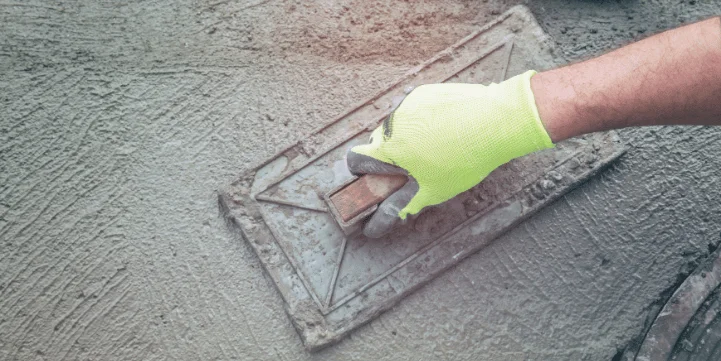
- Use a polymer-modified patching compound
- Feather the edges for a smooth blend
- Let repairs fully cure before sealing
Give repairs ample curing time. This ensures stability during cold, wet weather.
3. Choose the Right Concrete Sealer
Sealing your concrete keeps water out and protects it from freeze-thaw damage.
Types of Sealers
- Penetrating sealers (silane/siloxane): Invisible, long-lasting water repellents
- Film-forming sealers (acrylic, epoxy): Add sheen, enhance color, but may darken surface
Ideal Application Conditions
- Temperatures between 50°F and 80°F
- Surface must be dry for at least 24 hours
- No rain or freezing forecast during curing
- Consider adding anti-skid grit for icy conditions
Application Tips:
- Use a sprayer, roller, or brush per manufacturer guidelines
- Work in sections to maintain a wet edge
- Avoid puddles and ensure even coverage
- Let it cure fully before allowing traffic
4. Improve Drainage to Avoid Pooling
Even well-sealed concrete fails if water pools on it.
- Clear gutters, downspouts, and surface drains
- Make sure the ground slopes away from concrete
- Avoid placing objects that trap water on surfaces
- After storms, check for puddles and adjust grade if needed
Better drainage reduces the water your concrete has to resist.
Let NGL Concrete & Design Help You Protect Your Surfaces
At NGL Concrete and Design, we offer professional concrete sealing, repair, and resurfacing services in Indiana and nearby areas. We’ll:
- Inspect your current surfaces
- Handle crack repair and patching
- Recommend the right sealer for your needs
- Address drainage concerns as part of our process
We use proven products and expert workmanship to help your concrete look better and last longer.
Ready for Winter? Let’s Get Started
Fall is the right time to protect your concrete before winter sets in. Clean, repair, seal, and ensure drainage to avoid expensive damage later. Contact us to schedule your fall prep today. We proudly serve Indiana and surrounding areas.